
This is a guest post by Emily Fraser, a passionate traveller drawn to dramatic coastlines, open roads, and places that encourage you to slow down and explore. She shares inspiring itineraries for travellers who believe the journey can be just as memorable as the destination.
Cape Breton Island sits at the northern tip of Nova Scotia, connected to the mainland by a single causeway and largely overlooked by travellers who pass through Halifax and keep moving. That oversight is understandable. The island takes time to reach, has no particularly famous city, and is not the kind of place that sells itself loudly. What it does have is one of the great coastal drives in North America, a national park that sits right on the edge of the Atlantic, and two golf courses that now rank among the best in the world.
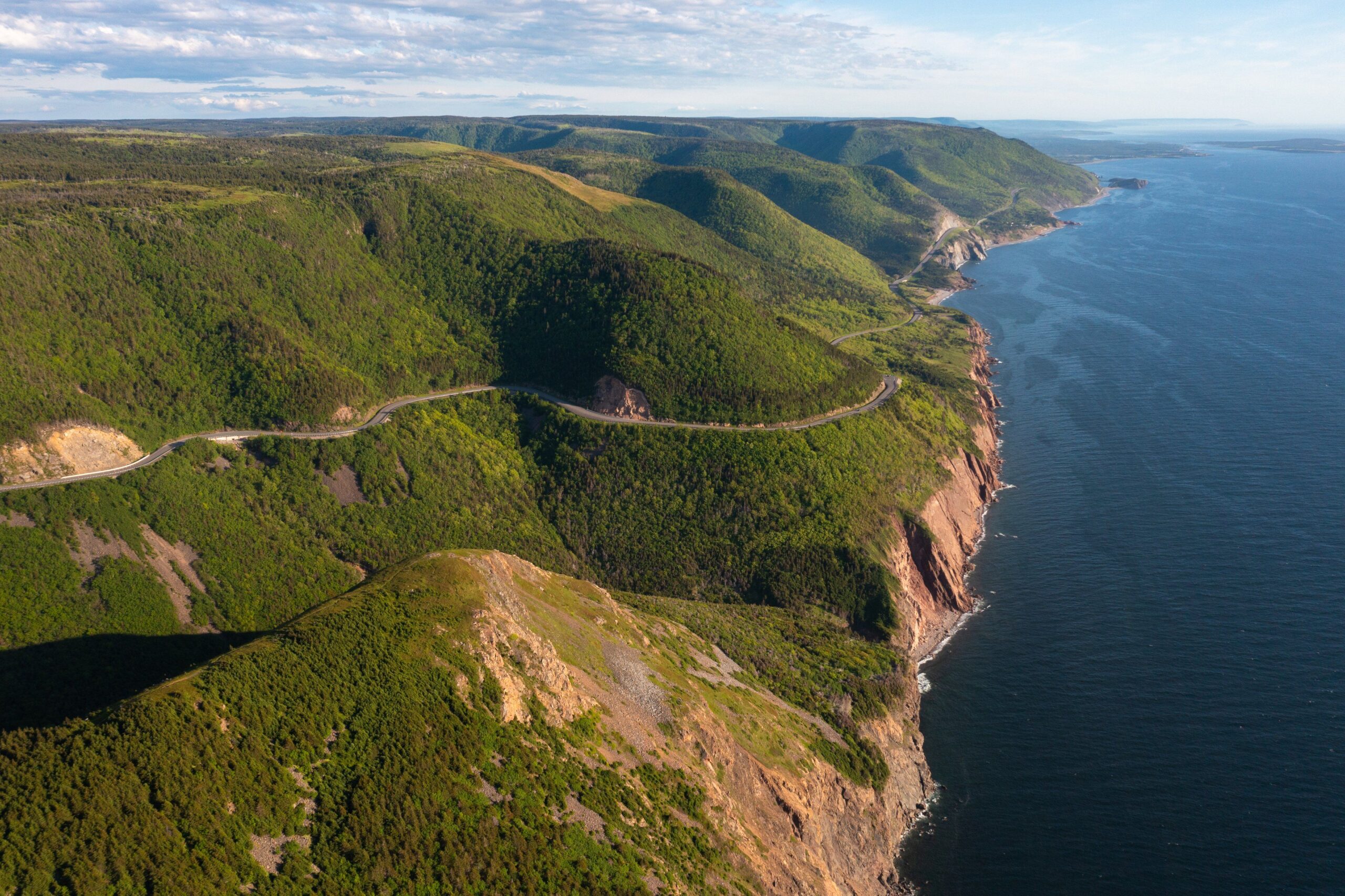
A road trip here makes sense for a simple reason: the Cabot Trail, a 298-kilometre loop around the northern highlands, is the structure the island hands you for free. Drive it in a circle, take your time at the stops that interest you, and you end up with a week that mixes coastal driving, hiking, eating lobster in small towns, and golf at a level few places outside Scotland or Ireland can match.
The golf is worth addressing upfront because it is what makes Cape Breton unusual as a road trip destination rather than simply a scenic one. Golf at Cabot Cape Breton means two courses: Cabot Links, which opened in 2012, and Cabot Cliffs, which followed in 2016, both sitting on the Atlantic coast near the small town of Inverness on the western shore.

Cabot Cliffs now ranks among the world's best courses, with holes that play along clifftops above the Gulf of St Lawrence. Two or three days in Inverness for the golf, followed by the rest of the week on the Cabot Trail, gives the trip a natural two-act structure. Premier Golf specialise in tailored packages here, which is worth considering when you are combining golf with a road trip and want the logistics taken care of.
Getting There and Starting in Baddeck
The practical starting point is Halifax, which has direct flights from the UK and good connections via Toronto. The drive from Halifax to Baddeck, a small town on the Bras d'Or Lake near the base of the Cabot Trail, takes about three hours and is worth doing in daylight if you can manage it. The Canso Causeway, the only land crossing onto the island, is a useful psychological marker that you have arrived somewhere genuinely separate from the mainland.
Baddeck makes a good first base. It sits on the Bras d'Or Lake, a vast inland salt lake that takes up much of central Cape Breton and holds a UNESCO Biosphere Reserve designation. The town is a sailing community, quiet out of season and gently busy in summer, with more character than its size suggests.
The Alexander Graham Bell National Historic Site is here: Bell spent his summers in Baddeck for the last three decades of his life, ran his laboratory on the hillside above the lake, and made the first powered flight in Canada nearby. The site is well put together and worth an hour.
The restaurants along the waterfront are good for a first evening, and the pace of the town sets the right tone for the week ahead.
Margaree Valley and the Drive to Inverness
From Baddeck, the drive to Inverness takes about ninety minutes through the Margaree Valley, one of the quieter and more pastoral stretches of Cape Breton. The valley follows the Margaree River, one of the best salmon and trout rivers in Atlantic Canada, and has a completely different character from the coast. The salmon museum in North East Margaree is a small, specific place that gives the river some context if you want a short stop. The road eventually climbs out of the valley and drops down to Inverness, and the sea appears on your right.
Inverness and the Golf
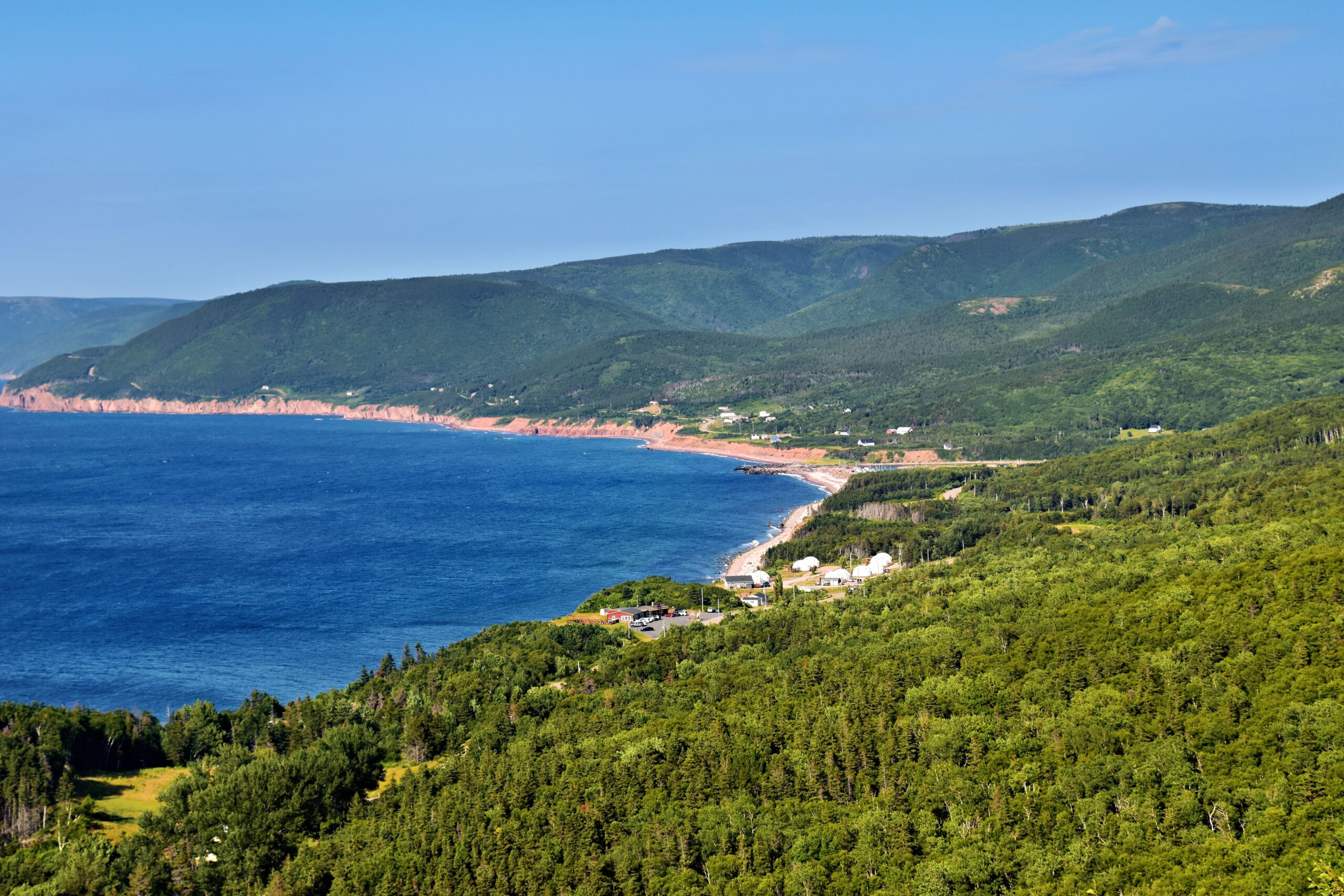
Inverness is a small town with a good beach, a raceway, and Cabot sitting at the southern end of the dunes. The town is not particularly polished but has a decent brewery and a handful of restaurants that have improved since Cabot started bringing visitors with spending power to an area that previously had neither. Two days here comfortably covers both courses and leaves time for the beach in the evenings.
Cabot Links plays along the shore with an open, links-influenced feel and the sea visible from most holes. Cabot Cliffs is the more dramatic of the two, climbing up along the clifftops with some holes that require real discipline when the views over the Gulf of St Lawrence compete with the shot. It is not a forgiving course, which is worth knowing if you are playing off a higher handicap. If you can only play one, most people who have played both choose Cliffs, though the argument for doing them on consecutive mornings is not a difficult one to make.
Cheticamp and the Start of the Highlands
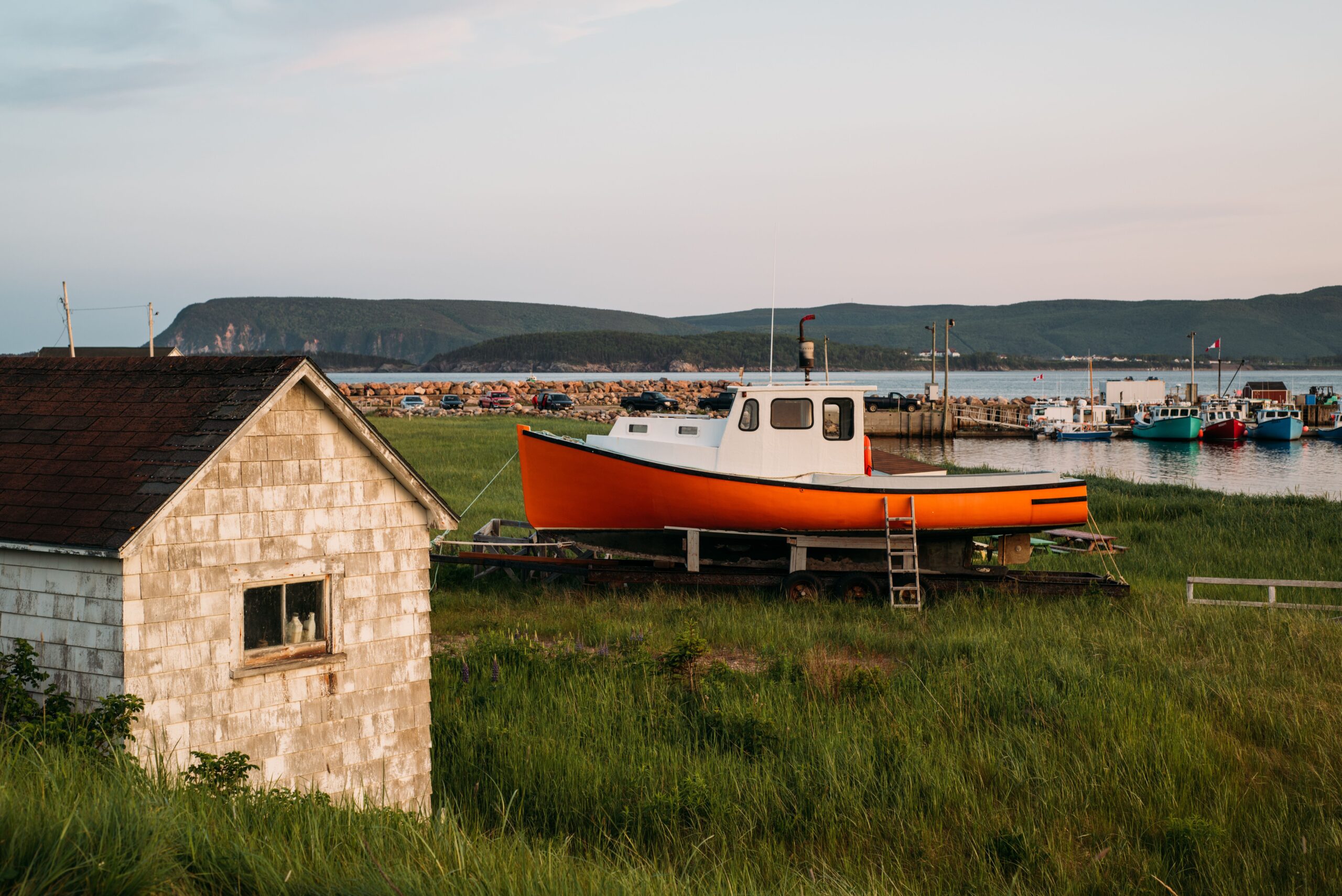
From Inverness, the route north along the coast brings you to Cheticamp, an Acadian fishing village that has been here since the eighteenth century and still feels like a place that functions for its residents rather than its visitors. The crab and lobster are worth stopping for. The Cape Breton Highlands National Park begins just north of Cheticamp, and the road starts climbing almost immediately into the coastal plateau terrain that makes the Cabot Trail worth doing.
The park entrance fee covers the duration of your stay, and the visitor centre at Cheticamp has good trail maps and a useful overview of what is accessible depending on conditions. The highlands stretch roughly 60 kilometres across the top of the island and the road through them is the part of the Trail that lives up to the reputation.
The Skyline Trail and the North
The Skyline Trail is a 9-kilometre loop that heads out to a headland above the Gulf of St Lawrence and is the most popular hike on Cape Breton Island for good reason. The views back along the coast and out to sea are as good as a single afternoon walk is likely to give you anywhere in the country. Moose are a genuine possibility here, particularly in the early morning or at dusk, which also happens to be when the light is best. Take the time to walk it rather than just photographing the trailhead sign.
North Mountain is the high point of the Trail in both senses, with the road climbing to a plateau before descending steeply to the eastern coast near Cape North. This descent requires some care if you are driving north to south and is best done in daylight. The detour to Meat Cove, the northernmost point accessible by road on the island, adds an hour and takes you to one of the more dramatic promontories in Atlantic Canada.
Down the Eastern Side
The eastern side of the Highlands feels quieter than the western coast and is worth the attention. Ingonish Beach, inside the national park, is the only ocean swimming beach in Nova Scotia's national park system and a good stop in warm weather. The Keltic Lodge, a heritage resort property above the water at Ingonish, is a reasonable place to break up the drive with a night or a long lunch.
South of Ingonish, the road passes through St Ann's, home to the Gaelic College of Celtic Arts and Crafts, the only institution of its kind in North America. The Englishtown ferry, a small cable ferry across St Ann's Bay, is one of those details that the map does not make obvious but saves a significant detour and is one of the more enjoyable two-minute crossings you will find anywhere. From Englishtown, a short drive brings you back to Baddeck and the end of the loop.
How to Structure the Week
Seven nights gives you enough time to do this without rushing. A workable structure is two nights in Baddeck at the start, two or three nights in Inverness for the golf, one or two nights somewhere on the Highlands stretch (Cheticamp or Ingonish both work), then a final night back at Baddeck or continuing to Sydney for an early flight. The island is about 175 kilometres from north to south but the roads on the Cabot Trail are not fast, the stops add up, and the hiking trails consistently take longer than the maps suggest.
Driving the loop clockwise, which means leaving Baddeck westward toward Inverness and Cheticamp before coming back down the eastern side, keeps the Gulf of St Lawrence on your left through the most dramatic section of the drive. A rental car from Halifax is the practical choice. The roads are well maintained and the driving is not difficult, though the North Mountain descent is worth approaching with some patience rather than momentum.
A Final Note
Cape Breton does not compete for attention the way more obvious destinations do. You arrive, you find the loop, and the island takes over from there. The golf at Cabot is as good as you will find anywhere and does not need the surroundings to make its case, though the surroundings make it anyway. The Cabot Trail is one of those drives that is genuinely better than the photographs suggest. The lobster is fresh, the towns are small and specific, and the week tends to feel both complete and insufficient at the same time.
Most people who do this trip come back having already started thinking about when to return.