

This is a guest post by Clara Whitmore, a passionate traveler with a love for slow travel, local cultures, and meaningful experiences. Through her writing, she encourages readers to embrace the surprises that often become the highlights of any trip.
Americans love to travel, and there are hard numbers to back up this statement. According to the US Travel Insights Dashboard, travel spending in the US reached $122.8 billion in July 2026. This is 5.8% above the same month last year, indicating an impressive increase in travel spending in the country.
While people are open to spending more on vacations, they want to explore their destinations without rushing or being too rigid about their itineraries. Some of the most vivid travel stories begin with a wrong turn, a missed train, or a decision to skip a famous attraction in favor of wandering without a map.
While carefully planned itineraries provide structure and peace of mind, the moments that travelers remember years later often come from spontaneous experiences. Understanding why unplanned moments become lasting memories can help travelers design trips that leave room for amazing surprises.
The Magic of Unexpected Moments
Spontaneous experiences often become the stories travelers remember most because they carry stronger emotional weight than routine sightseeing. These unplanned experiences create emotional connections with a destination that guidebooks cannot replicate. There is a scientific explanation behind this.
Neuroscience News highlights research showing that the brain encodes novel and emotionally arousing experiences far more deeply than predictable ones. This happens because the amygdala and hippocampus work together to preserve moments marked by surprise, excitement, or wonder.
From stumbling into a neighborhood festival to discovering a tiny café with the perfect espresso, unexpected moments feel more personal and authentic than checking off a list of famous landmarks. When travelers embrace the unknown, their senses awaken, and novelty stimulates dopamine release. The resulting memories feel more vivid and meaningful in retrospect.
When Getting Off the Itinerary Leads to Something Better
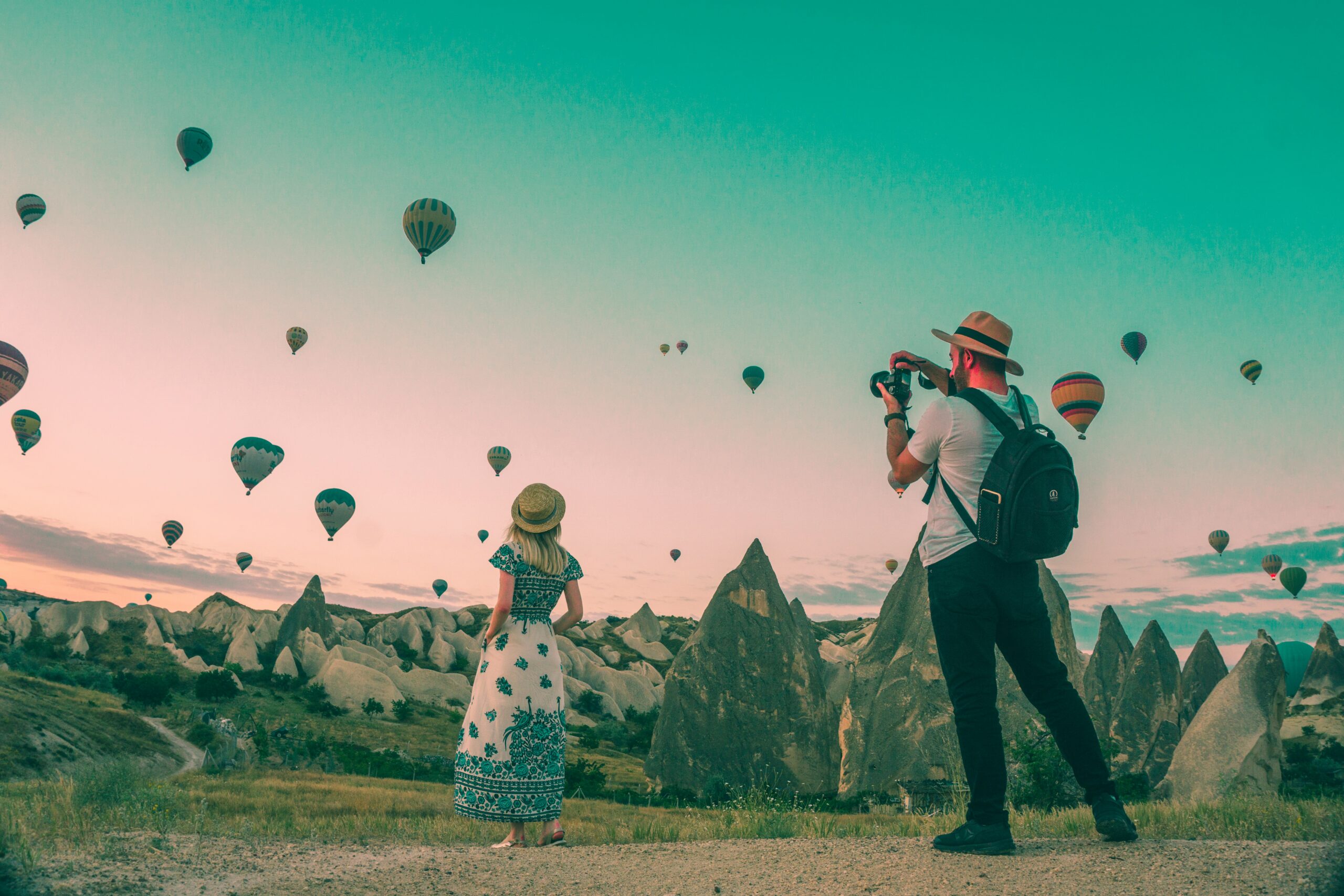
Having an itinerary may not always be a great idea. Sometimes, taking a wrong turn, Having an itinerary may not always be a great idea. Sometimes, taking a wrong turn,changing plans mid-day, or skipping a popular attraction can lead to memorable discoveries that rigid itineraries often miss. Travelers who allow themselves to wander often find hidden streets, local eateries, scenic viewpoints, or neighborhood events that become trip highlights.
For example, someone planning to visit Florida must absolutely keep Cape San Blas on their bucket list. Drift Magazine highlights that the state has many beach towns built around busy shorelines and packed days. Cape San Blas is different from them because you get room to set your own pace here.
Staying in a vacation rental can make this flexibility easier, providing a home base in a residential neighborhood rather than tying travelers to a traditional tourist district. You can explore Cape San Blas vacation rentals in a feasible location. This setup encourages exploration on foot and creates opportunities to experience daily local life.
Cape Escape Vacation Rentals recommends taking your time, bringing your camera, and enjoying the slower pace that makes this destination so special.
Why Local Interactions Make Memories More Meaningful
If you truly want to experience a destination without a well-planned checklist, local interactions can give you an edge. Conversations with locals can shape the way travelers remember a place far more than any museum ticket or landmark photo. Be open to meeting people and asking them for tips and recommendations.
Encounters with shop owners, guides, fellow travelers, artists, or restaurant owners provide cultural insights and personal stories that aren't found in guidebooks. The best thing about these interactions is that they create emotional salience. These are strong feelings tied to social connection and novelty, a key factor in why certain travel moments stand out years later.
Local interactions also humanize destinations, transforming abstract places into communities with real people, traditions, and warmth. Travelers who prioritize genuine conversations often return home with richer, more nuanced memories of where they've been. Some even build friendships for a lifetime.
Leaving Room for Serendipity
According to a Havok Journal article, planning a trip is not the problem. Good preparation can protect the parts of a vacation that actually matter. However, the problem begins when every hour has an assignment, and even the smallest change feels like something went wrong. Overplanning can leave little room for spontaneous experiences, turning vacations into checklist marathons rather than opportunities for discovery.
Conversely, less planned trips often feel better because they lower stress, reduce clockwatching, and leave space for real rest and surprise moments. The best advice is to keep part of each day unscheduled, so you can follow curiosity, explore on foot, and say yes to unexpected opportunities when practical and safe.
At the same time, this doesn't mean abandoning all planning. Basic arrangements for transportation, accommodation, safety, and major activities remain useful. The key is leaving enough flexibility for detours, lingering over a beautiful view, or accepting an invitation from a new friend.
Turning Unplanned Moments Into Lasting Memories
Katie Henwood, a travel expert featured by Condé Nast Traveler, notes that while she rarely travels without a preplanned itinerary, she believes that the best memories often come from the unplanned moments. The idea is to know how to turn such unplanned moments into lasting memories that stay with you.
Sensory details, emotions, and personal stories make spontaneous moments stick in memory far longer than routine activities. Travel experiences create stronger memories than everyday life because novelty forces the brain to pay close attention, actively processing each new experience rather than relying on autopilot.
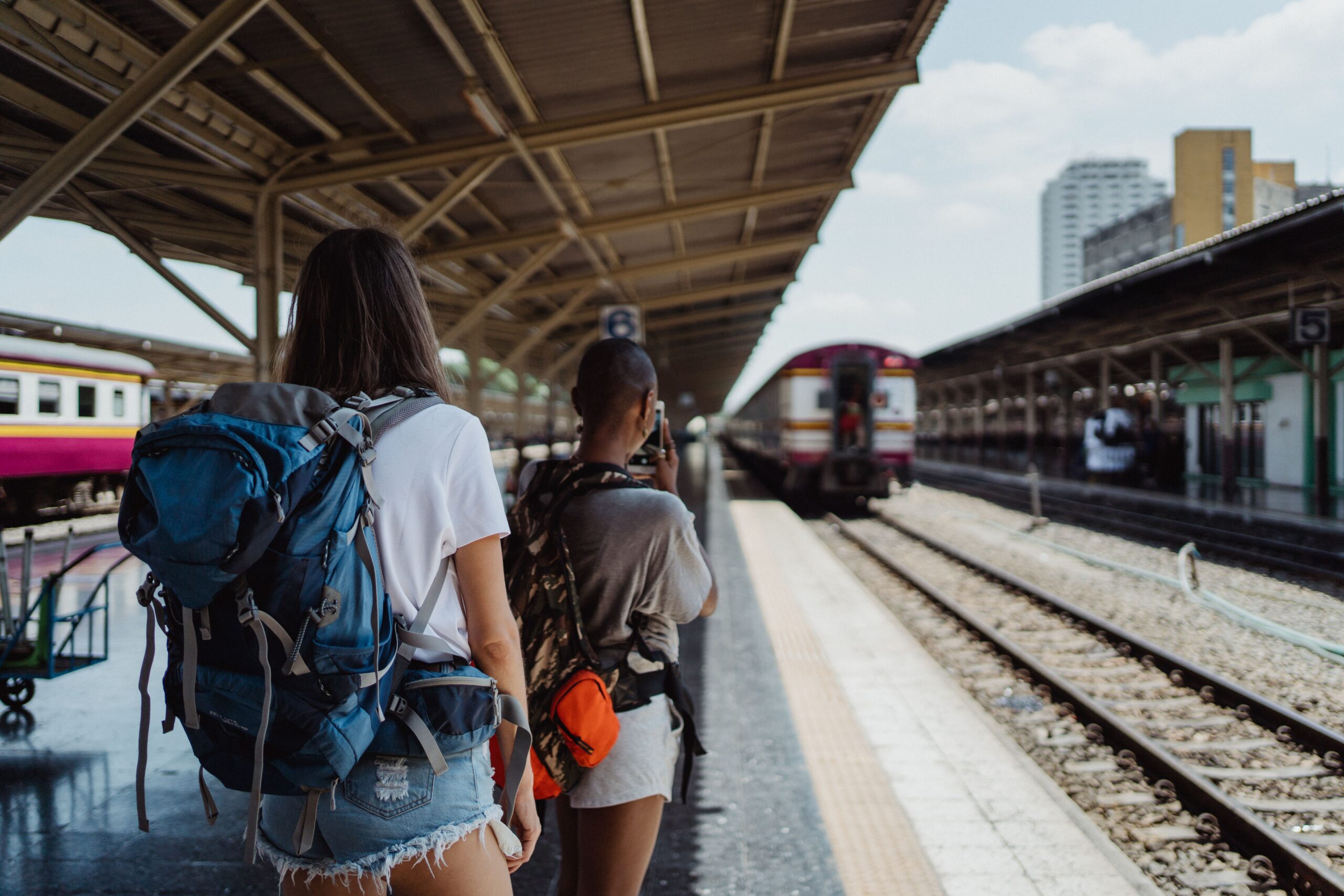
Travelers can preserve these moments by documenting unexpected discoveries through photos, journals, or short notes that capture not just what happened, but how it felt. A great trip isn't necessarily the one where everything goes according to plan. Rather, it's the one that gives you stories you'll still be telling years later.
FAQs
Why are spontaneous travel experiences often more memorable?
Spontaneous moments on the go involve stronger emotions, surprise, and personal discovery, making them feel more distinctive than routine sightseeing for travelers. Novelty activates dopamine and strengthens memory formation in the brain.
How can I leave room for spontaneity while traveling?
Avoid filling every hour of your itinerary. Leave a few blocks of free time each day and allow yourself to explore places that catch your attention without guilt or pressure. Wander on foot, follow curiosity, and say yes to safe, unexpected opportunities that arise.
Does spontaneous travel mean you shouldn't plan a vacation?
Not at all. Basic planning for transportation, accommodation, safety, and major activities is Not at all. Basic planning for transportation, accommodation, safety, and major activities isuseful and reduces stress. The key is leaving enough flexibility in your schedule for unexpected experiences, detours, and local discoveries along the way.
Key Takeaways
The best travel memories often emerge from moments that weren't scheduled, photographed in advance, or researched exhaustively. Travelers who balance practical planning with open-ended exploration give themselves the greatest chance of returning home with stories that last. Leave room for wrong turns, local conversations, and unplanned discoveries. The moments you remember most may be the ones you never saw coming.